

What Do Spark Plugs Do for Cars?
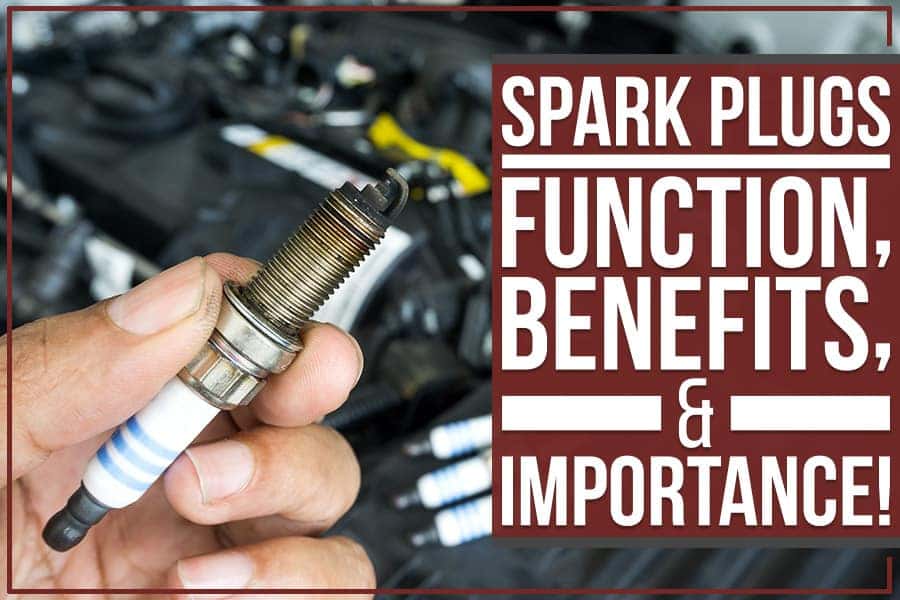
Some Ocean Springs drivers may wonder how often to change the spark plugs in their Buick, GMC vehicle. While experts generally recommend replacing them every 30,000 miles, it can vary depending on your specific model. Check your owner’s manual for more specific information. Find out more about how, and how often to change spark plugs below, and contact the Mandal Buick GMC service center if you need help from our talented service technicians.
What Happens If I Don’t Change Spark Plugs?
Your spark plugs are one of your ignition components. They work by sending high-voltage current from the ignition coil at the top of the plug to ignite the air-fuel mixture in the combustion chamber as soon as you start your vehicle. Over time, spark plugs can get worn or accumulate carbon deposits from burning the air-fuel mixture, causing them to “foul” or fail to spark. If your spark plugs aren’t functioning properly, you’ll start to see performance issues, such as:
- A slow start or a failure to start
- Engine misfire
- Poor, rough engine performance
- Rough idling
- Poor acceleration
- High fuel consumption
In addition to avoiding the issues listed above, regularly replacing your spark plugs offers several benefits. Find out the benefits of replacing your spark plugs as part of the preventative maintenance schedule for your new Buick, GMC vehicle:
- Improved fuel economy: A worn-out spark plug can reduce fuel economy by as much as 30% because not all the fuel-air mixture gets ignited and burned. Replacing it with a new one can help restore fuel efficiency.
- Consistent combustion system: Properly functioning spark plugs ensure smooth, continuous combustion, enabling your vehicle to run as it should.
- Your vehicle starts smoothly: With properly functioning spark plugs, your vehicle should start effortlessly with the turn of a key. Replace your spark plugs according to the timeframe set in your owner’s manual to keep them this way.
- Less harmful emissions: Since faulty spark plugs result in inconsistent ignition, which leads to incomplete combustion, your vehicle won’t burn all of the fuel-air mixture in the combustion chamber. Those unburned gases are then vented through your vehicle’s exhaust so that faulty spark plugs can contribute to harmful emissions and increased pollution. In addition to improving fuel efficiency, replacing spark plugs can also reduce emissions.
How To Change Spark Plugs
While you can replace your worn spark plugs with hand tools, always check your owner’s manual for the manufacturer’s recommendations. Don’t downgrade what the OEM recommends, as that can result in suboptimal performance or cause issues for other engine components.
Here are some tips on how to change spark plugs when they get worn out, starting with the tools you’ll need:
How To Change Spark Plugs: Recommended Tools
- Screwdriver
- Compressed air
- Spark plug socket
- Torque wrench
- Your vehicle owner’s manual
- A vehicle repair guide
- Engine firing diagram
- Wire loom separators or spark plug wire separators
- Some dielectric grease
- Personal protective equipment (gloves, goggles, etc.)
How To Change Spark Plugs: Steps & Tips
- Park your car on a flat, dry surface, and only start working once the engine is cool.
- Before removing anything, clean the engine area of any dirt, debris, or particles that may fall into the engine cylinder.
- Disconnect the battery, but consult your vehicle repair guide beforehand for any specific make/model instructions. Disconnect the negative terminal first to disable the ignition system to avoid accidentally shocking yourself.
- Clear away any obstructions using compressed air, then remove the spark plug wire. Avoid damaging the rubber “boot” or tearing the wire terminal away from the plug wire end. You can apply some dielectric grease on the spark plug terminal or inside the boot later to prevent the plug from getting stuck the next time you need to replace it.
- Remove the coil on plug (COP). You might need a screwdriver for this.
- Using a spark plug socket, unscrew and remove the spark plug. Try to avoid damaging the threads. If they get damaged, try restoring them using a spark plug thread restorer.
- Inspect your new spark plugs and ensure they match your engine requirements. When installing your new spark plugs, avoid cross-threading, as this can damage the spark plugs and cylinder thread heads. Use a torque wrench to tighten to the specified torque.
- Now you can reinstall the spark plug wires. Connect the plug wires to the correct spark plugs for each cylinder. Refer to a firing order diagram if necessary. You can apply spark plug wire separators at this time to protect them and prevent cross-firing and abrasion. Once everything has been reinstalled, including components you may have had to uninstall to gain access to your spark plugs, you’re ready to start up your engine.
For Your Buick, GMC Needs At Mandal Buick GMC
If you are experiencing any of the issues mentioned above and want to confirm that you need new spark plugs, schedule a service appointment at our service center near Gulfport. Our experienced technicians can get your vehicle evaluated and repaired in no time!
0 comment(s) so far on What Do Spark Plugs Do for Cars?